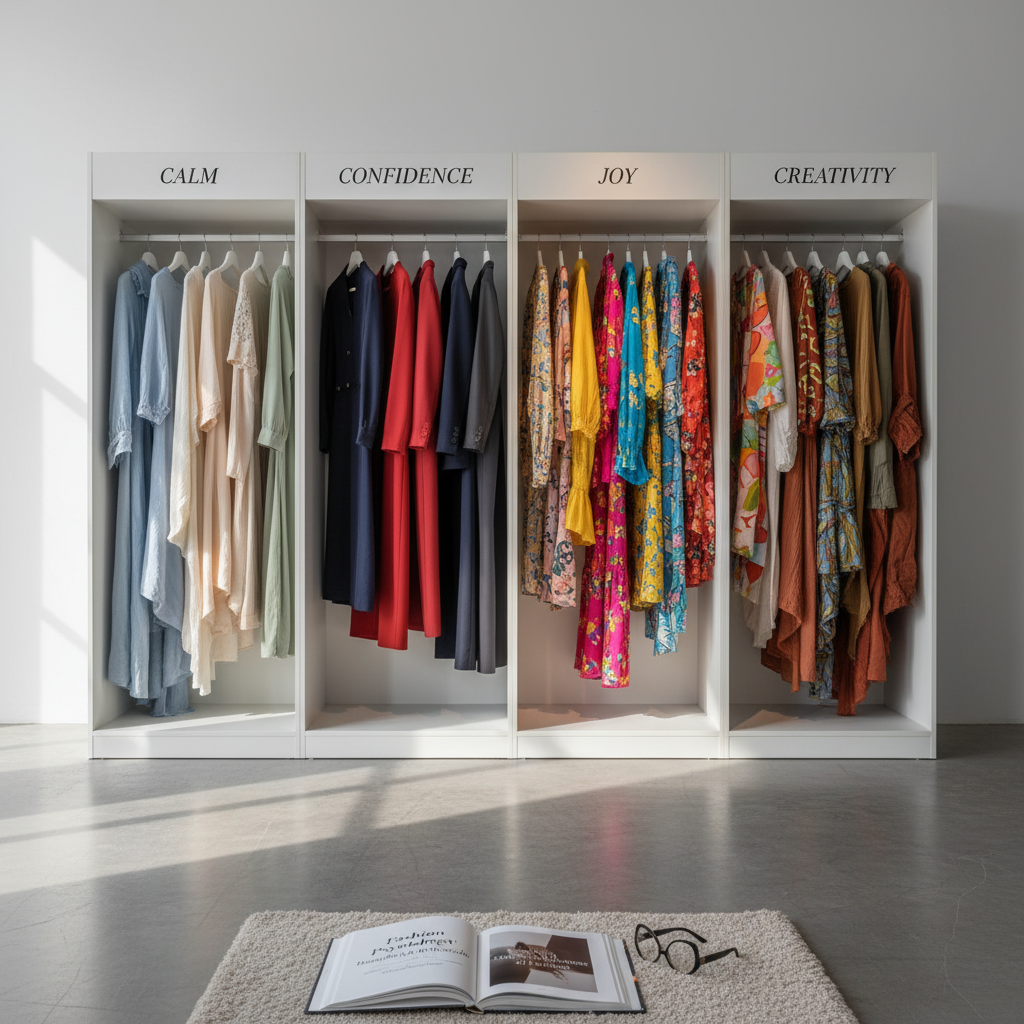
Fashion Psychology: Decoding Your Wardrobe and Personal Style
Beyond the fabric lies the mind. We explore the science of “Enclothed Cognition” and how what you wear shapes who you become.
By Mohsin Naqwi
Analysis & CommentaryThere is a persistent myth that fashion is superficial—a frivolous pursuit of vanity reserved for the runway or the wealthy. However, beneath the hemline and behind the stitching lies a complex psychological framework that dictates how we view ourselves and how the world views us. Fashion is not merely about covering the body; it is the most immediate and intimate form of self-expression. It is a language spoken without words, a protective armor, and, as science increasingly suggests, a tool for cognitive enhancement.
When we open our closets in the morning, we are not just choosing a shirt or a pair of trousers; we are selecting a persona. This phenomenon, known as Fashion Psychology, decodes the intricate relationship between attire and human behavior. It asks the fundamental question: Do we dress for the job we have, or does the dress create the mindset required for the job?
The Science of Enclothed Cognition
To truly understand decoding the wardrobe, one must first understand the concept of Enclothed Cognition. Coined in 2012 by researchers Hajo Adam and Adam Galinsky, this term describes the systematic influence that clothes have on the wearer’s psychological processes.
In their seminal study, participants who wore a white coat that they believed belonged to a doctor showed increased sustained attention compared to those who believed the same coat belonged to a painter. The physical experience of wearing the garment, combined with its symbolic meaning (science, medicine, focus), actually altered the brain’s performance. This suggests that your “power suit” isn’t just a metaphor; it creates a tangible shift in your cognitive state.

This biological feedback loop implies that our wardrobe is a toolkit for mental modulation. When we feel sluggish, putting on activewear can prime the brain for movement. When we feel chaotic, structured tailoring can induce a sense of order and control. For further reading on the academic roots of this field, the history and evolution of fashion psychology offers a compelling timeline of how we moved from utilitarian dress to psychological dressing.
Decoding the Texture of Emotion
While the cut of a garment dictates authority, the texture dictates emotion. The tactile experience of clothing—how it feels against the skin—is often overlooked in favor of aesthetics, yet it is a primary driver of emotional regulation.
Consider the comfort of a cashmere sweater versus the rigidity of a starched collar. Soft, natural fibers tend to promote relaxation and openness. This connects deeply with the principles of Natural Living, where the integration of organic materials into our daily lives reduces cortisol levels and enhances well-being. Conversely, synthetic, restrictive fabrics can unconsciously increase irritability and anxiety.
Psychologists analyze “wardrobe malfunctions” not as physical tears, but as misalignments between current emotional states and chosen attire. Wearing a restrictive, high-fashion outfit on a day requiring emotional vulnerability creates dissonance. Decoding your wardrobe means curating a collection that honors both your aesthetic aspirations and your sensory needs.

The Psychology of Color (Dopamine Dressing)
No discussion on decoding the wardrobe is complete without addressing color theory. The trend of “Dopamine Dressing”—wearing bright colors to boost mood—has scientific backing.
- Blue: Often associated with stability, trust, and calm. It is the color of the corporate world for a reason—it signals reliability.
- Red: The color of passion and danger. It physically stimulates the body, raising the pulse. It is a power move, often used to assert dominance.
- Black: While often seen as morbid, in fashion psychology, black represents protection and glamour. It is an emotional shield.
- Yellow: The hardest color for the eye to process, yet it is synonymous with optimism and energy.
According to Psychology Today, utilizing these colors intentionally allows us to “hack” our emotional state, lifting us out of lethargy or grounding us during high stress.
Accessories as Identity Anchors
Accessories serve as the punctuation marks of our visual language. They are often the most deliberate choices we make because they are not strictly necessary for warmth or modesty; they are pure expression. The psychology behind a handbag, for instance, goes far beyond utility.
Take, for example, the modern fascination with specific luxury or artisanal brands. A Polene Bag represents a shift away from loud logomania toward “quiet luxury.” Psychologically, carrying such an item signals membership to an in-group that values discernment over flashiness. It indicates a personality type that values structure, minimalism, and architectural beauty.

In contrast, the resurgence of the Beaded Bag speaks to a psychological need for nostalgia and playfulness. In a world that often feels overly digitized and serious, the tactile, imperfect nature of beads reconnects the wearer with childhood joy and creativity. Decoding these choices reveals that one woman might be seeking control and order (the structured leather bag), while another seeks levity and artistic expression (the beaded accessory).
The Mirror Stage: Self-Perception and Retail Therapy
The concept of “retail therapy” is often dismissed as a bad habit, but Business of Fashion notes the rise of fashion psychology in analyzing consumer behavior. Buying clothing is an act of constructing the future self. When we buy a dress for an event that hasn’t happened, or gym clothes for a workout routine we haven’t started, we are engaging in “symbolic self-completion.”
“We do not buy clothes for who we are; we buy them for who we want to be. The wardrobe is a bridge between the actual self and the ideal self.”
However, this can become pathological if the gap between the actual and ideal self is too wide, leading to a closet full of clothes with “tags on”—symbols of a life not lived. Decoding your wardrobe involves purging these items. A healthy wardrobe reflects who you are now, supporting your current mental state rather than shaming you for not being someone else.
Practical Steps to Decode Your Wardrobe
How do we apply this high-level psychology to our daily routine? Here is a practical framework for analyzing your closet:
- The Joy Audit: Similar to the KonMari method, but psychological. Does this item make you feel competent? Attractive? Safe? If an item induces guilt (e.g., “I spent too much on this” or “I need to lose weight to wear this”), it is psychologically toxic.
- Uniformity vs. Variety: Analyze your patterns. Do you buy the same black trousers repeatedly? This suggests a desire for safety and minimizing decision fatigue (famously utilized by Steve Jobs and Barack Obama). If your closet is chaotic and disjointed, it may reflect an identity crisis or a lack of focus.
- Tactile Testing: Close your eyes and touch your clothes. Remove anything that feels scratchy, cheap, or unbreathable. Your skin is your largest organ; treating it well is a psychological signal of self-respect.
- The Narrative Check: Look at your accessories. Do your shoes and bags tell the story you want to tell? Are you holding onto a worn-out tote because of scarcity mindset, or are you investing in a quality piece like a structured leather bag to signal your professional growth?
Conclusion: The Wardrobe as a Wellness Tool
Fashion psychology proves that clothing is not passive. It is an active agent in our lives, capable of altering our mood, our performance, and our self-esteem. By decoding the wardrobe, we move from being unconscious consumers to conscious curators of our own identity.
Whether it is the confidence boost from a tailored jacket (enclothed cognition), the nostalgia of a beaded bag, or the calm of organic cotton, every thread tells a story. The next time you get dressed, ask yourself not just “Does this look good?” but “How does this make me think?” In that shift of perspective lies the true power of fashion.
Frequently Asked Questions

Mohsin Naqwi
Fashion Analyst & Contributor
Mohsin Naqwi is a dedicated writer exploring the intersection of psychology, lifestyle, and design. With a keen eye for detail, he deconstructs the hidden meanings behind everyday choices, helping readers understand the “why” behind their “wear.”
Leave a Reply