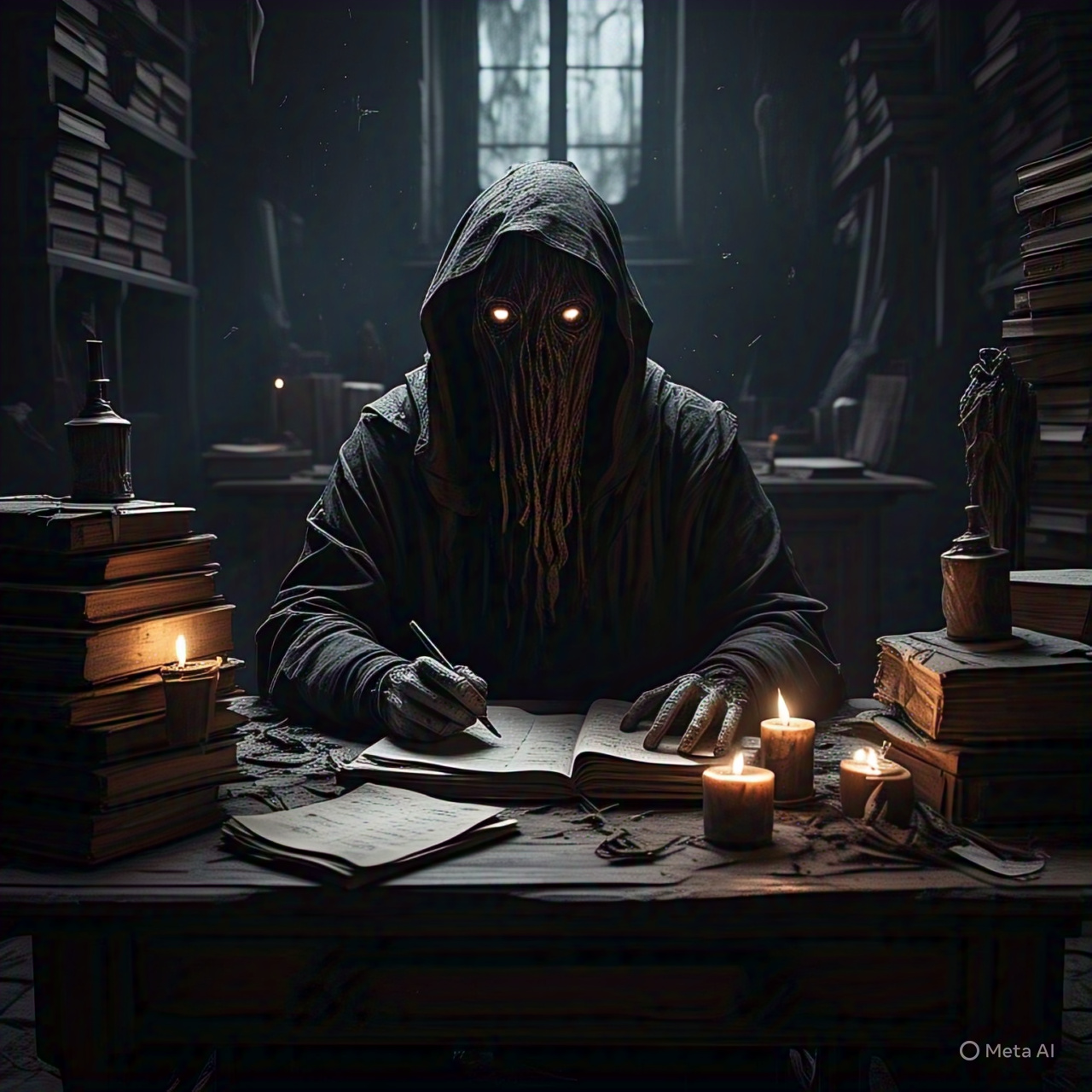
Horror writing prompts are the shadowed gateways to your most terrifying tales, the whispered suggestions that can ignite a flicker of unease into a raging inferno of fear. If you’re a writer with a penchant for the macabre, the unsettling, or the downright bloodcurdling, you’ve stumbled into the right crypt. Whether you’re battling the dreaded writer’s block, looking to explore new subgenres of terror, or simply seeking a spark to jumpstart your next nightmare-inducing narrative, a well-crafted prompt can be your most valuable, and perhaps most sinister, ally. This comprehensive guide will delve deep into the world of horror writing prompts, offering you a treasure trove of ideas, tips, and resources to help you craft stories that will linger in your readers’ minds long after they’ve turned the final page. We’ll explore various categories, from subtle psychological horror writing prompts to creature features, and even touch upon the utility of a horror writing prompts generator. Prepare to unlock your darkest imagination; the night is young, and the stories are waiting to be exhumed.
What Are Horror Writing Prompts?
At their core, horror writing prompts are conceptual starting points designed to stimulate creativity within the horror genre. They are not rigid instructions but rather seeds of ideas – a character, a setting, a situation, a question, or a “what if” scenario – that beckon the writer to explore the darker corners of fiction. Think of them as a mysterious, unmarked key handed to you in a dimly lit corridor. You don’t know what door it unlocks, but the thrill is in the discovery and the potential horrors that lie beyond.
A good horror writing prompt typically contains elements that evoke a sense of dread, unease, mystery, or outright terror. It might present:
- A unique predicament: “You wake up in a coffin with a dying cell phone, and your last sent text was ‘I know what you did.'”
- An unsettling character: “A child’s imaginary friend starts giving them instructions to harm others.”
- A creepy setting: “An abandoned lighthouse only lights up during a specific, unholy hour, revealing something different on the rocks below each time.”
- A mysterious object: “A vintage mirror that doesn’t reflect the present, but a terrifying event from the past or a grim future.”
- A twist on the familiar: “Your beloved pet starts exhibiting human-like intelligence, but its intentions are far from friendly.”
These prompts serve as a launching pad. The writer’s job is to take this initial spark and weave it into a compelling narrative, complete with developed characters, a gripping plot, and an atmosphere thick with suspense. Whether you’re aiming for a short story, a novella, or even the beginnings of a novel, horror writing prompts provide the foundational clay for you to mold your nightmares. They challenge you to think outside the coffin and push the boundaries of your imagination. Many writers even use a horror writing prompts generator for a quick dose of inspiration when they’re feeling particularly stuck.
Why Use Horror Writing Prompts? The Sinister Benefits
The allure of crafting terrifying tales is strong, but sometimes, the well of inspiration runs dry, or the path to a truly chilling story feels obscured by fog. This is where horror writing prompts shine, offering a multitude of benefits for both novice and seasoned writers of the macabre.
- Shatter Writer’s Block: This is perhaps the most common reason writers turn to prompts. When faced with a blank page that feels more intimidating than any monster, a good horror writing prompt can act like a crowbar, prying open the creative floodgates. It gives you a specific starting point, eliminating the “what do I write about?” paralysis.
- Explore Diverse Subgenres: The horror genre is a vast and varied landscape, encompassing everything from quiet, creeping dread to splatter-filled gore fests. Horror writing prompts can encourage you to venture into subgenres you might not typically explore. Perhaps you’re comfortable with ghost stories but have never tried your hand at body horror, or you excel at monster tales but shy away from psychological horror writing prompts. Prompts can be your guide.
- Develop Specific Writing Skills: Want to work on building suspense? Find a prompt that lends itself to a slow burn. Need to practice character development under duress? Choose a prompt that throws a character into an immediate crisis. Horror writing prompts can be targeted tools for honing specific aspects of your craft.
- Spark Unexpected Ideas: Sometimes, the most brilliant ideas come from the most unexpected places. A seemingly simple prompt can trigger a cascade of “what ifs” in your mind, leading you down narrative paths you never would have conceived on your own. This element of surprise is a powerful creative catalyst.
- Experiment with Tone and Style: Horror isn’t one-size-fits-all. It can be darkly comedic, deeply tragic, viscerally disgusting, or intellectually terrifying. Prompts allow you to experiment with different tones and narrative styles without the pressure of a large, self-conceived project.
- Practice and Consistency: Like any skill, writing improves with practice. Using horror writing prompts regularly, even for short exercises, helps build a consistent writing habit and keeps your creative muscles limber. Even a daily quick pick from a horror writing prompts generator can make a difference.
- Generate Portfolio Pieces: Short stories born from prompts can become excellent additions to your writing portfolio, showcasing your ability to craft compelling horror narratives.
In essence, horror writing prompts are more than just idea starters; they are versatile tools for growth, exploration, and consistent creative output in the chilling world of horror fiction.
Types of Horror & Corresponding Writing Prompts
The horror genre is a multifaceted beast, with numerous subgenres each offering unique ways to terrify and unsettle. Understanding these can help you select or create horror writing prompts that align with the specific kind of fear you want to evoke. Let’s explore some key subgenres and provide tailored prompt examples.
1. Supernatural Horror Writing Prompts
Supernatural horror deals with forces beyond the natural world – ghosts, demons, curses, and other unexplained phenomena. The fear often stems from the unknown and the violation of natural laws. This subgenre often explores themes of faith, the afterlife, and the consequences of dabbling in the forbidden. The horror isn’t just about the ghost or demon, but what its existence implies about the world.
* Prompt 1: A family moves into a new house where previous occupants vanished. Their child’s drawings start depicting shadowy figures only they can see, figures that whisper secrets from the walls.
* Prompt 2: You inherit an antique music box. Whenever it plays, you experience vivid, terrifying dreams of a forgotten tragedy, and objects in your home begin to move on their own.
* Prompt 3: A group of paranormal investigators agrees to be locked into a notoriously haunted asylum for a week. Their equipment captures more than they bargained for, and one by one, they start succumbing to the asylum’s dark influence.
* Prompt 4: A skeptic inherits a “spirit board” from a deceased occultist relative. Using it as a joke at a party, they make contact with something that isn’t playful and follows them home, its presence growing stronger with each passing night.
2. Psychological Horror Writing Prompts
This subgenre focuses on mental and emotional states to create horror. The threat is often ambiguous, internal, or manipulative, preying on the characters’ (and readers’) minds. Psychological horror writing prompts often blur the lines between reality and delusion. The brilliance of many psychological horror writing prompts lies in their ability to make the reader question everything. Is the protagonist reliable? Is the threat real or imagined? This ambiguity is a powerful tool.
* Prompt 1: After a minor head injury, you begin to see subtle, unsettling changes in the faces of your loved ones. Are they no longer themselves, or is your perception fracturing?
* Prompt 2: Your character finds a diary detailing the descent into madness of its previous owner. As they read, they start experiencing the same paranoid thoughts and hallucinations described within its pages. This is a classic setup for some truly disturbing psychological horror writing prompts.
* Prompt 3: A character is convinced they are being stalked, but there’s no physical evidence. Their friends and family think they’re losing their mind. Is the threat real, or a figment of their unraveling sanity?
* Prompt 4: Your character starts receiving beautifully handwritten letters detailing their deepest, unspoken fears, signed only with an elegant, unfamiliar monogram. The letters always arrive when no one could have possibly delivered them.
3. Slasher/Gore Horror Writing Prompts
Characterized by a relentless, often masked killer stalking and murdering a group of people, typically with graphic violence. Suspense builds around who will be next and how they will meet their demise. While often characterized by violence, effective slasher stories also build suspense through the cat-and-mouse dynamic between the killer and victims. The “final girl” (or boy) trope is a hallmark, representing resilience.
* Prompt 1: A group of teenagers celebrating graduation at a remote lake house discovers they are being hunted by a local legend, said to be a disfigured killer with a unique, gruesome weapon.
* Prompt 2: The contestants of a reality TV show, isolated in a custom-built “haunted” maze, realize that one of the “scare actors” is a genuine murderer, picking them off in ways that mimic the show’s staged horrors.
* Prompt 3: A final girl from a previous massacre tries to live a normal life, but a copycat killer begins a new reign of terror, seemingly obsessed with her and her past.
* Prompt 4: On the anniversary of a local unsolved massacre, a group of true-crime podcasters visits the site to record an episode. They soon find themselves becoming the new subjects of a very live, very real sequel.
4. Monster Horror Writing Prompts (Creature Features)
This subgenre features a threatening creature, often non-human or a grotesque mutation. The horror can come from the creature’s appearance, its abilities, or the sheer terror of being hunted. Monster horror can explore themes of humanity’s relationship with nature, the consequences of scientific hubris (Frankenstein’s monster), or primal fears of predation. The monster design itself is often a key element.
* Prompt 1: Deep-sea miners drill into a previously unknown cavern and unleash a bioluminescent predator perfectly adapted to the crushing darkness and silence, now drawn to their light and sound.
* Prompt 2: A small, isolated desert town finds its livestock, then its residents, being picked off by a massive, burrowing creature that only surfaces during sandstorms.
* Prompt 3: A scientist working on genetic regeneration accidentally creates a rapidly evolving, highly intelligent creature in their lab. It escapes and begins to adapt to the urban environment, viewing humans as prey. These types of horror writing prompts are always popular.
* Prompt 4: A newly discovered species of bioluminescent fungi in a remote cave system not only mimics sounds to lure prey but can also influence the thoughts of those who inhale its spores, turning them against each other. This has potential to be a great starting point for a series of horror writing prompts focused on ecological terrors.
5. Cosmic/Lovecraftian Horror Writing Prompts
Inspired by H.P. Lovecraft, this horror emphasizes the fear of the unknown and incomprehensible, often involving ancient, powerful entities whose mere existence can shatter sanity. It’s about humanity’s insignificance in a vast, uncaring universe. The core of cosmic horror is often intellectual and existential. Characters may not be physically attacked but are driven mad by forbidden knowledge or glimpses of vast, alien intelligences that dwarf humanity.
* Prompt 1: An astronomer discovers a signal from a distant galaxy that seems to be a repeating pattern. Deciphering it reveals a truth about the universe so horrifying it begins to physically and mentally unravel anyone who understands it.
* Prompt 2: A deep-sea expedition finds a cyclopean, non-Euclidean city on the ocean floor. Exploring it awakens something ancient and indifferent to human life, whose influence begins to warp reality topside.
* Prompt 3: A cult worships an “unseen god” from beyond the stars. They succeed in a ritual to grant them a glimpse of their deity, and the resulting revelation drives them to acts of unspeakable horror, trying to “prepare” the world.
* Prompt 4: An ancient artifact, unearthed during an archaeological dig, hums with an almost imperceptible frequency. Those exposed to it for long periods begin to dream of impossible geometries and alien landscapes, slowly losing their grip on consensual reality.
6. Found Footage Horror Writing Prompts
The story is presented as discovered video recordings, often from characters who have met a grim fate. This style aims for realism and immediacy. The challenge and appeal of found footage is maintaining believability. Why are they still filming? The limitations of the camera’s perspective can be used to heighten suspense and obscure the horror.
* Prompt 1: A group of urban explorers documenting their trip into an abandoned subway system captures increasingly disturbing events on camera. The final footage shows them being dragged into a dark tunnel by something unseen. The prompt is to narrate what happened before the final cut.
* Prompt 2: A vlogger known for debunking paranormal hoaxes buys a “haunted” camera. Their uploaded footage starts normal but gradually shows glitches revealing terrifying entities only the camera can see. Their last video is a desperate plea for help.
* Prompt 3: Security footage from a remote research outpost in Antarctica shows the crew slowly succumbing to paranoia and violence after unearthing a strange, pulsating organism from the ice.
* Prompt 4: A dashcam records the increasingly erratic behavior of a long-haul trucker on a desolate night route, culminating in him stopping, getting out, and walking towards strange lights in a field, never to return. The footage is found in the abandoned truck.
7. Body Horror Writing Prompts
This subgenre focuses on grotesque violations, mutations, or transformations of the human body. It elicits visceral disgust and fear of losing bodily integrity. Body horror often taps into anxieties about illness, aging, identity, and the fragility of the human form. The transformations can be metaphors for deeper psychological or societal issues.
* Prompt 1: A new designer drug offers incredible euphoria, but users soon find their bodies undergoing slow, horrifying, and irreversible transformations.
* Prompt 2: A character wakes up after a mysterious accident to find parts of their body have been replaced with strange, mechanical components they don’t recognize and can’t control.
* Prompt 3: A strange fungus starts spreading through a community, causing bizarre and beautiful, yet ultimately fatal, growths on its victims’ skin.
* Prompt 4: A character volunteers for a revolutionary new cosmetic procedure that promises eternal youth. The procedure works, but they soon realize their body is slowly, subtly becoming less… human, and more like something else entirely.
8. Folk Horror Writing Prompts
Often set in isolated rural communities, folk horror draws on folklore, pagan traditions, and the unsettling power of the past and the land itself. It frequently involves cults, ancient rituals, and a clash between the modern and the primal. Folk horror often contrasts the “civilized” outsider with the “primitive” but powerful beliefs of an isolated community. The landscape itself can feel sentient and hostile to intruders. For further reading on horror subgenres, check out this definition of horror subgenres.
* Prompt 1: An outsider moves to a quaint, remote village that celebrates an ancient harvest festival. They soon discover the festival requires a human sacrifice to ensure the village’s prosperity.
* Prompt 2: A historian researching local legends in a secluded coastal town uncovers a pact made by the town’s founders with a sea entity, a pact that is due for renewal.
* Prompt 3: Children in an isolated farming commune begin speaking in an unknown ancient language and creating disturbing effigies, claiming “the old ones of the field” are telling them to prepare for “the cleansing.”
* Prompt 4: A couple on a romantic getaway rents a charming, isolated cottage. They find a collection of handmade dolls in the attic, each eerily resembling previous tenants. Soon, they notice someone is leaving materials outside their door to make new dolls… resembling them.
By understanding these subgenres, you can better utilize any horror writing prompts you encounter, or even seek out a specialized horror writing prompts generator that caters to specific styles like psychological horror writing prompts.
How to Use Horror Writing Prompts Effectively
Simply finding a good horror writing prompt is only the first step. To truly transform that spark into a chilling story, you need to approach it with intention and skill. Here’s how to make the most of them:
- Don’t Be Afraid to Deviate: A prompt is a starting point, not a straitjacket. If your story organically pulls you in a direction slightly different from the prompt’s initial suggestion, go with it. The best ideas often emerge when you allow yourself to explore tangents.
- Focus on “What If?”: Take the core idea of the prompt and ask “What if?” repeatedly.
- Prompt Example: “You find a smartphone with only one contact: ‘The Listener.’ They seem to know your every move.”
- What if… The Listener starts giving you tasks?
- What if… The tasks are benevolent at first, then sinister?
- What if… Refusing a task has dire consequences for someone you love?
- What if… The Listener isn’t human?
- Develop Your Characters: Horror is more impactful when readers care about the characters. Even with a plot-driven prompt, take time to flesh out your protagonist. What are their fears, flaws, and motivations before the horror begins? How do these traits influence their reactions to the terrifying situation? This is especially crucial for psychological horror writing prompts, where internal conflict is key.
- Establish Atmosphere and Setting: The environment can be a character in itself. Use sensory details – sights, sounds, smells, textures – to create a palpable atmosphere of dread. Is it a claustrophobic, decaying house? A vast, indifferent forest? A sterile, unnerving laboratory? Let the setting amplify the horror.
- Build Suspense and Pacing: Don’t reveal everything at once. Tease the horror, build anticipation, and control the flow of information. Vary your sentence structure and paragraph length to manipulate pacing – short, sharp sentences for moments of panic; longer, more descriptive passages for building unease.
- Show, Don’t Tell: This classic writing advice is paramount in horror. Instead of saying “She was scared,” describe her heart pounding, the cold sweat on her palms, the way her breath catches in her throat. Let the reader experience the fear through your character’s actions and sensations.
- Consider the “Why”: Why is this horrifying event happening? While some horror thrives on ambiguity (especially cosmic horror), having at least a vague internal logic or motivation behind the horror can make it more resonant. It doesn’t always need to be fully explained to the reader, but it can help you, the writer.
- Twist Expectations: Subvert common horror tropes or lead the reader to expect one thing and then deliver another. A surprising twist can elevate a good horror story to a great one.
- Know Your Ending (Or Discover It): Some writers like to know the ending before they start; others discover it along the way. With a prompt, you might have an initial idea for an ending, but be open to it changing as the story evolves. The ending should provide some form of resolution, even if it’s a terrifying one.
- Use Prompts as Exercises: Not every prompt needs to become a polished story. Use some horror writing prompts as quick five-minute exercises to warm up, experiment with a specific technique, or just play with an idea. You might even find a gem that demands further development.
By applying these techniques, you can take any horror writing prompt, whether found online, from a book, or even generated by a horror writing prompts generator, and craft a story that truly terrifies.

Creating Your Own Horror Writing Prompts
While there are countless pre-made horror writing prompts available (for example, see this great list of horror writing prompts), sometimes the most potent inspiration comes from crafting your own. Learning to generate your own prompts is a valuable skill that flexes your creative muscles and tunes your senses to the horrifying possibilities lurking in the everyday. Here’s how to brew your own concoctions of dread:
- Start with a “What If?”: This is the cornerstone of most prompts. Look at ordinary situations and twist them.
- Ordinary: Your reflection in the mirror.
- What if… Your reflection started doing things you aren’t?
- What if… Your reflection tried to switch places with you?
- Resulting Prompt: “You notice your reflection is a split-second out of sync with your movements. Then, it starts to smile when you’re not.”
- Combine Unrelated Elements: Juxtapose two or more seemingly unrelated concepts to create something new and unsettling.
- Element 1: A children’s lullaby.
- Element 2: A hidden code.
- Element 3: A forgotten god.
- Resulting Prompt: “A child’s seemingly innocent lullaby, when played backward, contains the instructions for awakening an ancient, malevolent entity.”
- Explore Common Fears (Phobias): Tap into universal anxieties.
- Fear of the dark, heights, enclosed spaces, spiders, dolls, clowns, loneliness, losing one’s mind.
- Prompt based on Trypophobia (fear of holes): “A new type of mold appears in your damp basement, forming perfect, mesmerizing patterns of holes. You find yourself staring at them for hours, feeling something inside you changing.” This can be a great source for psychological horror writing prompts.
- Twist Familiar Objects or Settings: Make the mundane monstrous.
- Familiar Object: A garden gnome.
- Twist: The garden gnomes in your new neighborhood seem to move places overnight, always getting closer to the house.
- Familiar Setting: A supermarket.
- Twist: During a late-night shopping trip, the lights go out. When they flicker back on, all the other shoppers and staff are gone, and the aisles have subtly rearranged themselves into a maze.
- Draw from News Headlines, History, or Science: Real life can be stranger (and scarier) than fiction.
- Headline: “Mysterious hum reported by residents in small town.”
- Prompt: “The persistent, low-frequency hum plaguing your town is finally identified: it’s the collective dream-murmurings of a subterranean intelligence, and it’s starting to influence waking thoughts.”
- Think About Sensory Details: Base a prompt around a specific, unsettling sound, smell, taste, or texture.
- Prompt (Sound): “You keep hearing a faint scratching sound from inside your bedroom wall, but you live on the top floor of an apartment building.”
- Prompt (Smell): “A sweet, cloying scent begins to permeate your home, a smell you vaguely recognize from a half-forgotten, traumatic childhood memory.”
- Use a Random Word Generator: Take 2-3 random words and try to build a horror scenario around them.
- Words: “Clock,” “Orphanage,” “Whisper.”
- Prompt: “An antique grandfather clock in a derelict orphanage chimes only once a year, at which moment the whispers of the children who died there become audible, seeking a new playmate.” This can be a fun way to use a horror writing prompts generator concept manually.
- Focus on Dilemmas and Impossible Choices: Put characters in no-win situations.
- Prompt: “You are given a choice: sacrifice your most cherished memory to save a stranger’s life, or let them die. The entity offering the choice promises more such dilemmas.”
Creating your own horror writing prompts not only ensures an endless supply of ideas tailored to your interests but also deepens your understanding of what makes a horror concept compelling.
Horror Writing Prompts Generator: A Useful Tool or a Crutch?
In the digital age, a horror writing prompts generator is just a click away. These tools, often found on writing websites or as standalone apps, algorithmically combine various elements (characters, settings, conflicts, creatures, etc.) to produce a theoretically endless stream of unique prompts. But are they a boon for horror writers, or do they stifle true creativity?
The Advantages of a Horror Writing Prompts Generator:
- Speed and Convenience: When you’re utterly stuck and need an idea now, a generator can provide instant inspiration. No need to brainstorm; just click and go.
- Breaking Creative Ruts: If you find yourself repeatedly writing similar stories or using the same tropes, a horror writing prompts generator can throw unexpected combinations at you, forcing you out of your comfort zone.
- Idea Seeds for “Low Stakes” Writing: They are perfect for quick writing exercises, warm-ups, or when you want to write without the pressure of developing a “perfect” idea from scratch.
- Exposure to New Combinations: A generator might pair elements you’d never think to combine, leading to surprisingly original concepts. This can be especially useful for complex scenarios that might involve elements of psychological horror writing prompts mixed with other subgenres.
The Potential Downsides:
- Generic or Nonsensical Prompts: Not all generated prompts are gold. Some can be generic, clichéd, or even nonsensical, requiring you to sift through many to find a usable one.
- Over-Reliance: Relying too heavily on a generator might weaken your own ability to brainstorm and develop ideas organically. The muscle of creativity needs exercise.
- Lack of Nuance: Generated prompts often lack the subtlety or emotional depth that a human-crafted prompt (or one you develop yourself) might have. They might give you the “what” but not the “why” or the “how.”
- The “Randomness” Trap: While randomness can be good, sometimes you need a prompt tailored to a specific theme, subgenre, or skill you want to practice. A general horror writing prompts generator might not offer that level of specificity.
Making the Most of a Horror Writing Prompts Generator:
The key is to use a horror writing prompts generator as a tool, not a replacement for your own imagination.
- Use it as a Starting Point: Take the generated prompt and then apply the “What If?” technique. Twist it, combine it with other ideas, or use only a fragment of it.
- Don’t Settle for the First Prompt: Click several times. Mix and match elements from different generated prompts.
- Look for Specific Generators: Some generators allow you to choose subgenres (e.g., a specific psychological horror writing prompts generator) or elements, giving you more control.
- Combine with Your Own Ideas: Perhaps you have a character in mind but no plot. A generator might provide the perfect situation to throw them into.
Ultimately, a horror writing prompts generator is another arrow in your quiver. When used thoughtfully, it can be a fantastic aid for overcoming blocks and sparking new ideas. However, don’t forget the power of your own dark imagination to conjure unique and terrifying horror writing prompts.

Advanced Tips for Horror Writing (Beyond the Prompts)
Once a horror writing prompt has set your story in motion, elevating it from a simple scare to a truly memorable piece of horror fiction requires mastering certain advanced techniques. These go beyond basic plot and character, delving into the psychology of fear itself.
- The Uncanny Valley: Exploit the unease created by things that are almost human, but not quite. Androids, realistic dolls, doppelgangers, or even subtle changes in a familiar person’s behavior can be deeply unsettling. This isn’t just about robots or dolls. Consider a loved one whose smile doesn’t quite reach their eyes anymore, or whose vocabulary subtly shifts to include odd, archaic phrases. The familiar becoming almost unfamiliar is deeply disturbing. This is fertile ground for many psychological horror writing prompts.
- Fear of the Unknown (Ambiguity): What we don’t see or understand is often scarier than what we do. Hint at the horror rather than showing it in full detail, especially early on. Let the reader’s imagination fill in the blanks – it will often conjure something far more terrifying than you could explicitly describe. Lovecraft was a master of this. Withhold information strategically. Describe the effects of the monster before you describe the monster itself. Show the aftermath of its violence, the fear in other characters’ eyes. Sometimes, the scariest monster is the one the reader constructs in their own mind, fed by your carefully chosen, terrifying hints.
- Dread vs. Terror vs. Horror: Understand the nuances:
- Dread: The anticipation of something terrible. The slow creak of a floorboard overhead when you know you’re alone.
- Terror: The feeling of immediate, overwhelming fear in the face of a direct threat. The monster bursting from the closet.
- Horror: The revulsion and shock after the terrifying event. The gruesome discovery.
Effective horror often cycles through these, building dread, delivering terror, and then lingering on the horror. Think of dread as the tightening string of a violin, terror as the string snapping, and horror as the lingering, discordant echo. A story that only aims for terror (jump scares) without building dread often feels cheap. A story that dwells too much in horror without the release of terror can become numbing. Balance is key.
- Violate Taboos: Taboos are the unspoken rules of society. Breaking them in fiction (safely, of course) can create profound discomfort and horror. This can range from societal taboos (cannibalism, incest) to more personal ones (betrayal by a loved one in an unimaginable way). This requires careful handling to avoid gratuity. The horror comes from the transgression itself and its psychological impact on characters and readers. Consider the societal structures we take for granted and imagine them breaking down or being perverted.
- The “Slow Burn”: Instead of constant jump scares, build unease gradually. Introduce subtle unsettling elements that accumulate, creating a pervasive sense of wrongness before the true horror is revealed. This is particularly effective for psychological horror. This technique demands patience from both writer and reader. Each unsettling detail should be like a drop of water, seemingly insignificant on its own, but collectively capable of eroding sanity or revealing a horrifying truth. It’s about creating an atmosphere so thick with unease that the reader feels trapped alongside the characters.
- Misdirection and Red Herrings: Lead your reader to expect one source of horror, then reveal the true threat to be something else entirely, or for the initial threat to be a symptom of something larger and more insidious. This is a narrative sleight of hand. Make the reader invest in a particular fear or suspect a certain character, only to pull the rug out from under them. This can make the eventual reveal even more shocking and satisfying (in a horrifying way).
- Sensory Detail Overload (or Deprivation):
- Overload: Bombard the character (and thus the reader) with overwhelming, often disgusting or chaotic sensory information during moments of intense horror. Imagine the cacophony of a demonic possession – screams, unearthly smells, the feeling of unnatural cold, flashes of grotesque imagery. It’s about overwhelming the senses to create panic.
- Deprivation: Place your character in complete darkness, or total silence, forcing them (and the reader) to rely on their imagination, which can be terrifying. The silence of space, the pitch black of a cave, the sensory numbness after a traumatic event. When one sense is removed, others can become heightened, and imagination runs wild.
- Isolation: Physically or psychologically isolate your characters. This makes them more vulnerable and cuts them off from help, amplifying their fear and desperation. This is a common thread in many horror writing prompts. This doesn’t just mean physical isolation (a cabin in the woods). It can be social isolation (no one believes the protagonist), psychological isolation (trapped in one’s own mind), or even technological isolation (no phone signal, EMP). Isolation removes safety nets.
- The Grotesque and the Body: As seen in body horror, transformations, decay, and the “abject” (things that are expelled from the body or challenge our sense of bodily integrity) can elicit powerful, visceral reactions. David Cronenberg is a master of this. Think about the horror of losing control over your own body, of it betraying you, mutating, or merging with something inorganic or diseased. It’s a primal fear. Many horror writing prompts can be enhanced by adding a body horror element.
- Existential Fear: Tap into deeper anxieties about life, death, sanity, the nature of reality, and one’s place in the universe. Cosmic horror excels at this, but it can be woven into many subgenres. Many psychological horror writing prompts touch upon the fear of losing one’s identity or sanity. This is the horror that questions our fundamental understanding of existence. What if there’s no meaning? What if reality is a fragile construct? What if humanity is a cosmic accident, insignificant and doomed? These ideas can be more terrifying than any monster.
- Sound Design in Prose: Think about the sounds of your story. Use onomatopoeia, descriptions of silence, or unsettling noises to build atmosphere. “The only sound was a rhythmic, wet dripping…” Words like “skittered,” “thumped,” “rasped,” “slithered,” “hissed,” “whispered” evoke sound. Contrast silence with sudden noise. Describe the quality of a sound – is it wet, dry, metallic, guttural?
- Ending with Resonance: A good horror ending doesn’t always tie everything up neatly. It might leave a lingering question, a sense of unease, or a horrifying implication that stays with the reader long after they finish. Avoid endings that neatly explain everything or restore perfect order (unless that’s a deliberate subversion). A truly haunting ending often implies the horror continues, or that the victory is temporary, or that the protagonist is irrevocably changed. The cycle of fear might just be beginning again. Consider a horror writing prompts generator that specifically offers unsettling ending twists.
Mastering these advanced techniques will help you transform even a simple horror writing prompt into a sophisticated and deeply affecting work of horror.
Infographic: Your Guide to Horror Writing Prompts
Unleash Your Inner Demon: A Guide to Horror Writing Prompts
What Are They?
Horror writing prompts are creative starting points—a character, setting, situation, or question—designed to spark terrifying tales and macabre narratives. They are the seeds of your darkest stories!
Why Use Them?
- Overcome dreaded writer’s block.
- Explore diverse horror subgenres.
- Develop specific writing skills (suspense, character).
- Spark unexpected and original ideas.
- Build a consistent writing habit.
Key Prompt Categories
Tailor your terror by focusing on different horror styles:
Tip: Many stories blend elements from multiple categories!
Using Prompts Effectively
- Ask “What if?” relentlessly.
- Focus on character emotions and motivations.
- Build a palpable atmosphere and vivid setting.
- Show, don’t just tell the fear.
- Don’t be afraid to deviate from the initial prompt.
Frequently Asked Questions (FAQs)
Q1: How long should a story based on a horror writing prompt be?
A: There’s no set length! A prompt can inspire a piece of flash fiction (a few hundred words), a short story (1,000-7,500 words), a novelette, a novella, or even a full-length novel. The prompt is just the spark; the scope of the story is up to you. Many writers use horror writing prompts for short, focused exercises.
Q2: Can I combine multiple horror writing prompts?
A: Absolutely! Sometimes, merging elements from two or more prompts can lead to even more unique and complex story ideas. For example, you could take a character from one prompt and place them in the situation of another.
Q3: Where can I find good horror writing prompts?
A: Besides this article, you can find horror writing prompts on writing blogs, social media (like Pinterest, Reddit’s r/WritingPrompts), in writing prompt books, or by using a horror writing prompts generator. Creating your own is also highly effective!
Q4: What if I start a prompt but can’t finish the story?
A: That’s perfectly fine. Not every idea will pan out. The act of starting and exploring the prompt is still valuable practice. Save your unfinished piece; you might come back to it later with fresh inspiration, or cannibalize parts of it for another story.
Q5: Are there specific prompts for young adult (YA) horror?
A: Yes, while many general horror prompts can be adapted, YA horror often focuses on themes relevant to teenagers (identity, peer pressure, first experiences) and may temper the level of gore or explicit content, focusing more on suspense and psychological elements. You can tailor any horror writing prompt to a YA audience by adjusting the characters’ ages and concerns.
Q6: How do I make my horror story truly scary and not just gross or cliché?
A: Focus on psychological depth, relatable characters, building suspense and dread, and subverting expectations. True fear often comes from unsettling the reader’s sense of normalcy or safety, or tapping into primal anxieties, rather than just relying on jump scares or gore. This is where strong psychological horror writing prompts can be very effective.
Q7: Is it okay to use a very common trope from a horror writing prompt?
A: Yes, tropes become tropes because they resonate. The key is to bring a fresh perspective, a unique twist, or exceptional execution to it. How can you make your haunted house story or your zombie apocalypse tale different from the others? The prompt is the starting point; your unique voice and creativity are what make it original.
Conclusion: Embrace the Darkness
Horror writing prompts are far more than simple exercises; they are invitations to explore the shadowy landscapes of human fear, to confront the unsettling, and to craft narratives that resonate with a primal terror. From the subtle disquiet of psychological horror writing prompts that make you question your own mind, to the visceral thrill of monster encounters or the existential dread of cosmic revelations, these sparks of inspiration provide a foundation upon which to build truly unforgettable stories.
We’ve journeyed through the diverse subgenres of horror, armed ourselves with techniques to effectively utilize prompts, learned how to conjure our own sinister scenarios, and even weighed the merits of tools like the horror writing prompts generator. The advanced tips offered aim to elevate your craft, transforming chilling ideas into sophisticated tales of terror that linger long after the final word is read.
Remember, the most effective horror often taps into universal anxieties, subverts expectations, and makes the reader care deeply about the fates of the characters involved. Whether you’re a seasoned author of the macabre or just beginning to dip your pen into darker ink, the world of horror writing prompts offers endless possibilities.
So, take these ideas, these seeds of dread, and nurture them. Let them twist and grow in the fertile ground of your imagination. Don’t be afraid to experiment, to push boundaries, and to delve into the uncomfortable. The next great horror story might be lurking just beyond the veil of a well-chosen prompt, waiting for you to give it life – or perhaps, unlife. Embrace the darkness, listen to the whispers, and write the nightmares that you, and your readers, won’t soon forget. The blank page awaits its terror.
See Also:Short Story Writing Prompts: Ignite Your Creative Fire
Leave a Reply